The Poet’s Feeling
When did I write my first poem? Truthfully, I don’t recall. But I was still at an age to be called a child when I realized my poems were loved. I won a poetry competition in the final year of primary school. A competition and an award, but we were still children, and I don’t know how seriously one should take such things. Nevertheless, the feelings that this award stirred in me are still as fresh and vivid as they were on the first day. My friends had pooled their money to buy me a diary and a fountain pen, so that I might write more poems. I don’t know if it’s because of this, but even today, I still use a fountain pen. What’s more, mine no longer even has a pump that you can find; I just asked the other day. Which poem was it that won the competition? What exactly was it about, what theme did it exalt? It may be a bit embarrassing, but truthfully, I don’t remember that either. I can only remember how happy I was on the day my friends gave me that gift. That moment, those feelings, make a person feel the whole of life so profoundly, especially if you are a child and your consciousness, your emotions, are in their primordial purity, like gleaming steel…
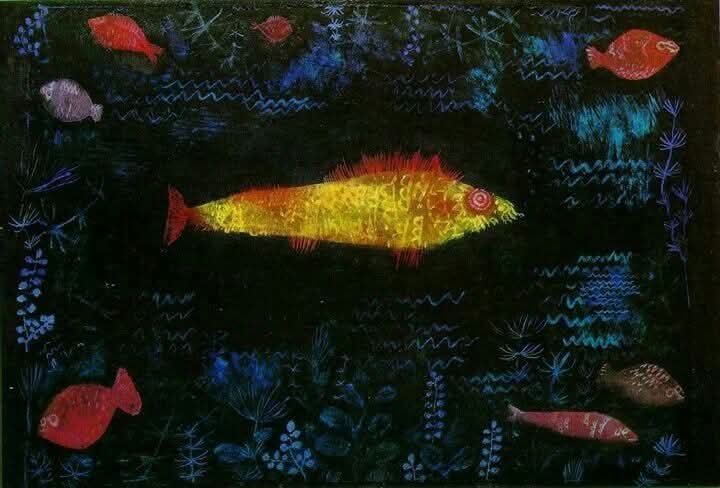
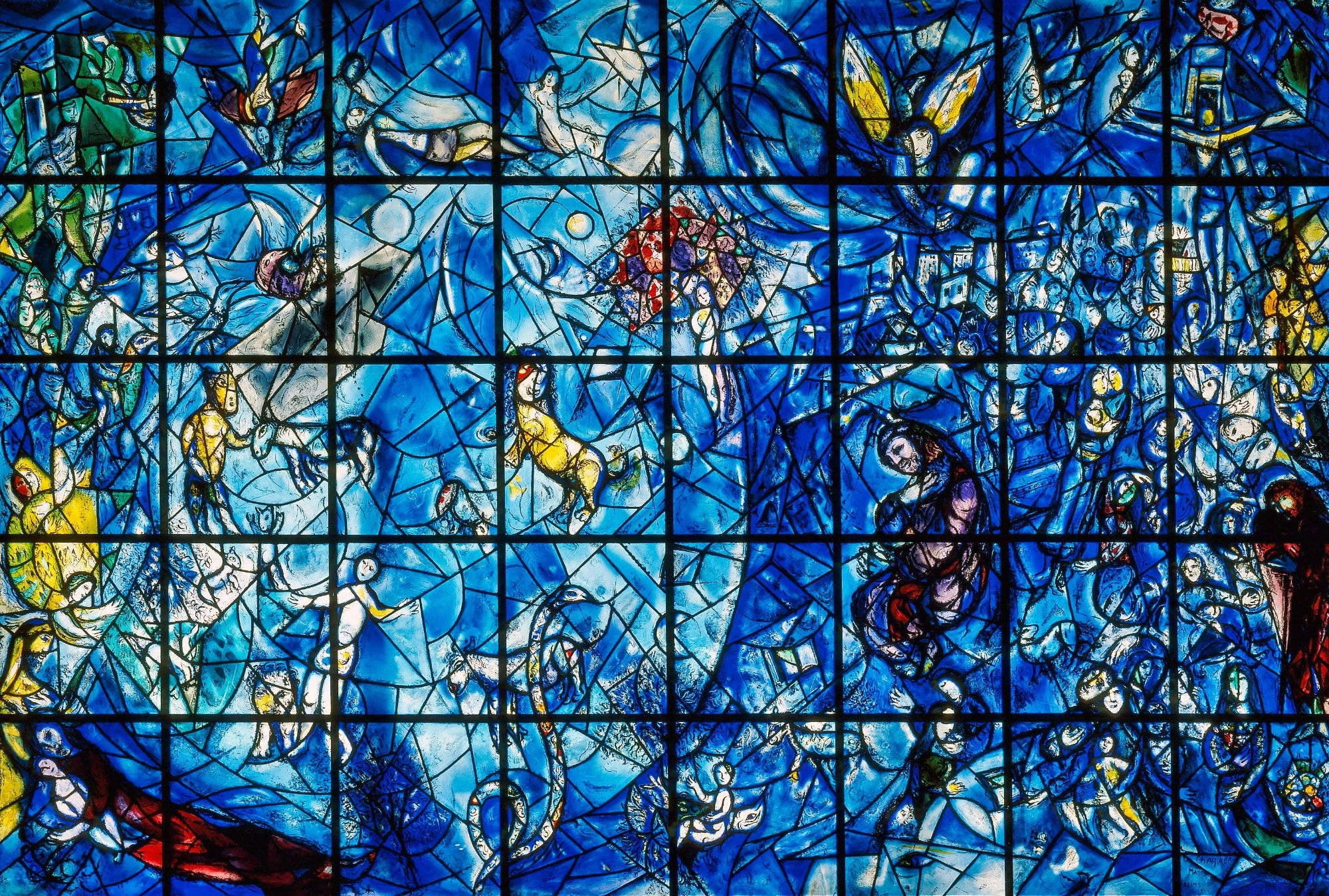
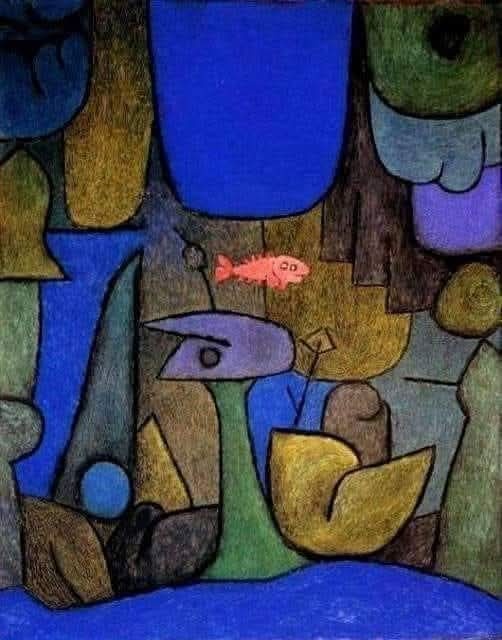
In my view, it is only feelings that leave a mark on a person. I still think this way today. In a person’s life, only they remain, and only they are worth remembering, worth sensing. What kind of day was that day? I am fortunate that I remember it clearly, and again, of course, only thanks to my feelings. It was a spring day. I went to school in the mornings; to use the expression of the time, I was on the “morning shift.” By the time I came home, it was noon, and the murmur of melting snow could be heard outside. There, it is as if I can hear it in my ears right now. There was a harsh and sharp spring air that you would rarely encounter nowadays, and the streets, with waters turning into little streams from the breaking blocks of ice, were as if cleaning themselves, preparing for the approaching summer. Beyond the pine tree in front of the house, the water flowed in streams along the road that wound its way down the hill. The reflection of the sun gave them a fantastical image, so bright, not silver, but as brilliant as steel. This dazzling beam of light reflected from them passed across the room’s blue-washed wall, weaving the illusion of fish playing in a pool.
I cannot describe what a beautiful day it was…
Today, it seems as though only certain moments remain in life, and I, even after all these years, can only remember the feelings, not the objects or the events. That is why I named my essay “The Poet’s Feeling.” For me, the most important thing that remains from a poem is the feeling. It is the impression it leaves on you. It hurts a little, because to leave a mark, one must dig deep. If your feeling is sincere, it will find an echo in someone else one way or another. If you have felt a sincere emotion with sufficient intensity, you don’t need to spend long hours consulting a dictionary; you will express it in any case. If not one word, then another will do. Meter, rhyme, fine calculations—in short, nothing is needed. True poetry begins where all of these become meaningless.
I respect critics. I have a bit of a critic in me as well. Sharp polemics are the spice of literature; they are indispensable. Still, in criticism, I look more at the essence than the form, at the feeling the essence creates in a person, and at its ability to “transmit” its meaning to the other. Sometimes I see very harsh, ruthless critiques. That a word wasn’t used this way but that way, what ignorance this is, look at the state of our language. We of course look sourly upon such careless people who spoil one’s mood, who have the audacity to attribute great titles to themselves without being masters of the subtleties of the language they speak… but only that. We should react only by making a sour face, by not reading them until they write beautifully. But I would not sneer at someone who writes as it comes from within, moreover, someone who knowingly and willingly shapes their linguistic capital according to the cry of their soul. And there are some masters of language for whom rules and regulations no longer apply. For such masters, we bow our heads in respect…
I have probably written thousands of poems. Some were lost. Some I forgot before I could write them down. There were some I saw in my dreams. I don’t remember a single day when I took paper and pen in hand and waited for hours at a desk to write a poem. It comes on its own. It is always so. It has always been so. The feelings reach such a point that you can no longer hold them inside you. Even if you were to explain, there is no one beside you who would understand. A person confides best in themselves. They commune with their soul. For me, this is what poetry is. A person’s conversation with their own soul, speaking with it… That is why true poetry is so dense. It is not easily understood the first time. And it can certainly never be written easily. You have to pull it out from a very delicate place hidden in your core, as if you were lancing an abscess. The rest comes by itself. Because, in truth, it is always there. Perhaps that poem was written even before you were born. It was only waiting for that day, that hour, to emerge. When its time came, it erupted and gushed to the surface. It is hot because it has been steeped in the depths; it leaves you breathless, it burns you. It burns you, and if there is a little humanity in the heart of the listener, it burns them too. What lava is to a volcano, what grounds are to coffee, poetry is to the heart; it is sorrow, a burden, a weight. That is why I say poetry is the essence of the soul.
What is the source of the feeling that gives way to poetry? It is humanity, the world, the relationship we build with others and with ourselves, in our own way, I believe. Do only poets experience such intense emotions? Are there not other people in the world who seethe inwardly like this? Of course, there are; every person carries that sediment, that current, in their heart to a greater or lesser extent. They carry it but do not write, carry it but are ashamed and cannot tell another, carry it but drown within it, without even realizing. The difference in degree for the person who writes lies here. Once they have written, they know they cannot do otherwise, cannot live otherwise. The arrow has already left the bow. Moreover, the more they write, the more they cannot stop, the more their inner self boils…
The burden of poetry is heavy. Those who read it travel for a moment to other, distant lands they have never known, and return. A cloud of mist passes before their eyes. For a moment, a few minutes at most… But a piece of the poet’s soul is now held hostage in that distant land. It cannot easily leave and come back. We are always like that.
I have often cried while writing my poems. There have been times when I wandered about on a winter night without a jacket, shivering, doubled over like a patient in pain. It cannot be known. It cannot be understood. That world has its own unique rules. And we do not yet know those rules.
So, just as there are sad poems, are there not also cheerful ones? Love poems, for instance, are they always mournful? Of course not. We have poets who rejoice beautifully. We must learn about living, about happiness, from them as well. But happiness has other languages. The path of happiness seldom crosses with poetry. It is more suited to becoming a song, a dance, a painting, in my opinion.
Poetry is a refuge for something else. It breathes in the deepest corners of the soul where others can hardly enter, in the forests of memory, in the flows of lava. There, it wishes to withdraw into its shell and return to itself, to comfort its childlike soul. It seeks and finds its secret there. It speaks, but to itself, not so that others might understand and share its troubles… Not everyone can understand anyway, or everyone understands in their own way. Everyone understands something different each time. But if it is true poetry, everyone understands, without even knowing how they understood. One who hears a beautiful poem feels as if they have drunk a very strong and wonderfully fragrant tea. That is what it is; it is the steeped essence of emotion.
The poet’s feeling is difficult. More difficult than the poem itself…
The poet is the man who cannot breathe.
● ONUR AYDEMİR ●
● 2025, ANKARA ●